

Color plays a transformative role in interior design, influencing not only the visual appeal of a space but also the emotions and atmospheres of those who inhabit it. As we explore the relationship between color and interior design, we discover how the right hues can create cozy spaces, maximize functionality in small areas, and evoke the intended feelings in each room. Whether you are aiming for a calm bedroom, a vibrant living room, or a productive home office, grasping the influence of color is essential to creating an environment that resonates with your individual taste and improves your daily life.
In the current ever-evolving world of interior design, trends continue to change towards creating spaces that are as functional as they are aesthetic. From the minimalist approach, which embraces minimalism and clean lines, to the biophilic design that brings the beauty of nature inside, the decisions we make in color and decor can significantly impact our surroundings. Eco-friendly practices are becoming increasingly important, encouraging sustainable choices that not only are visually appealing but also benefit the environment. As we explore modern design concepts, let’s discover how color can masterfully enhance various aspects of your home, turning ordinary spaces into exceptional ones.
Color Perception in Interior Aesthetics
Hue plays a important part in defining the ambiance of a area and influencing our feelings. When creating indoor spaces, it is essential to take into account how distinct shades can inspire particular feelings and create specific outcomes. For instance, warm tones like crimson, amber, and yellow can encourage vitality and zeal, making them ideal for gathering spaces like lounges and eating spaces. On the contrarily, cool tones such as blue and green are commonly linked to tranquility and relaxation, perfect for sleeping quarters and peaceful getaways.
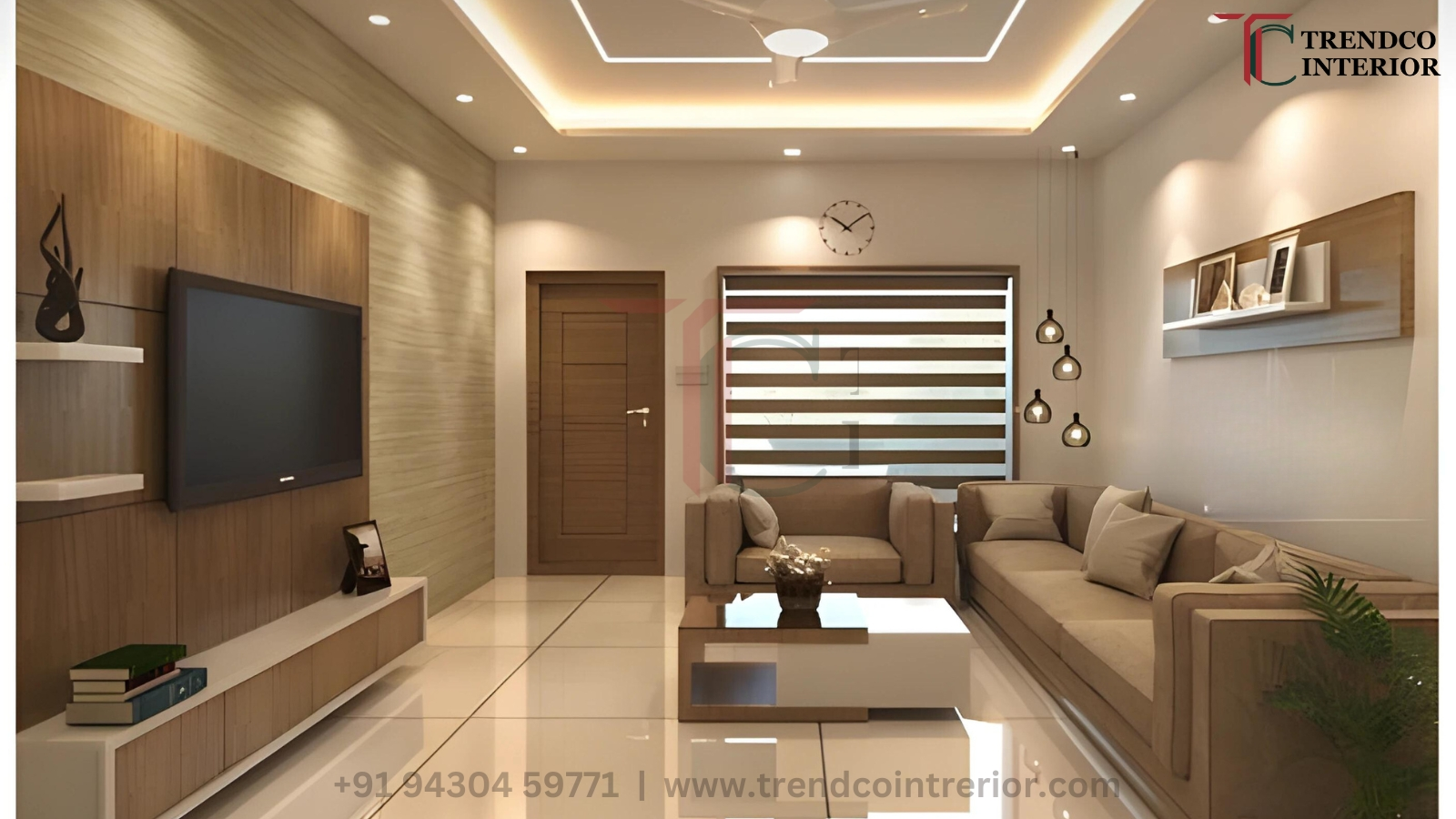
Understanding the effect of color enables interior designers to design areas that cater to the requirements of the users. By deliberately picking a hue selection, designers can develop environments that enhance productivity in study areas or create a calm atmosphere in washrooms and retreats. For instance, incorporating green tones and neutral shades can bring a sense of balance to a room, contributing overall well-being. Moreover, when hues are combined intentionally, they can support a harmonious aesthetic that resonates with the intended mood.
In addition to individual choices, cultural interpretations with colors can also impact design choices. While white might represent purity and newness in some societies, it may bring about different interpretations in different places. Designers must keep mindful of these diversities to develop broadly appealing spaces. By leveraging https://blogfreely.net/casavalasquezinterior2/blending-purpose-and-beauty-a-function-of-interior-design-professionals of color psychology, designers can transform areas into comfortable oases that not only seem lovely but also nurture the well-being and improve the quality of living for those who occupy them.
Eco-friendly Home Decor
Eco-friendly home decor concentrates on creating areas that minimize environmental impact while supporting wellness and happiness. It involves the use of green components, low-energy lighting, and environmentally-friendly decor choices. Designers highlight renewable, sustainable materials, such as repurposed wood or bamboo, which not only contribute to a lower greenhouse gas emission but also add character and comfort to spaces. Utilizing safe finishes and surface treatments enhances indoor air quality, guaranteeing that areas are secure for inhabitants.
Furthermore, sustainable design commonly includes maximizing power effectiveness through smart layouts and deliberate use of ambient light. This can entail using large panes, skylights, and open spaces that allow daylight to light up the area, lowering reliance on conventional light sources. Furthermore, integrating green technologies, such as renewable energy panels or eco-friendly appliances, enhances the eco-friendliness of a living space while offering ongoing savings on utility expenses.
Ultimately, eco-friendly home decor promotes practices like repurposing to infuse new life into discarded items and decor. Rather than discarding objects, designers seek new ways to repurpose them, creating unique feature pieces that tell a story and reduce waste. By embracing these guidelines, individuals can cultivate spaces that not only showcase personal style but also aid a greener planet.
Creating Comfortable Spaces
Creating a inviting space begins with the right color palette. Cozy hues such as gentle yellows, earthy grays, and natural colors can evoke a sense of coziness and tranquility. Layering these colors in different fabrics or paint finishes can amplify the comfortable feeling in a space. It's important to choose tones that resonate personally, as personal preferences significantly impact how welcoming a environment feels.
In addition to shade, the selection of decor can greatly influence comfort. Opting for plush sofas and chairs, paired with soft pillows and blankets, promotes relaxation. Arranging furniture to encourage conversation and interaction fosters a inviting atmosphere. Avoiding clutter while adding individual touches, like personal photos or cherished decor items, helps create a environment that feels welcoming and homey.
Finally, lighting plays a vital role in establishing comfort. Using varied Luxury Interior Designers South Florida , such as table lamps, floor lamps, and candles, enables for adjustable ambiance. Soft, diffused lighting can make any room feel welcoming, while natural light boosts the overall coziness. By thoughtfully integrating color, decor, and lighting, any indoor space can transform into a haven of comfort.