

Home decor is not just placing furniture and choosing paint colors; it is about creating environments that enhance our lives and reflect our individual styles. With just a few thoughtful changes, you can transform your space into a haven of comfort and style. Whether you live in a cozy apartment or a large house, small adjustments can lead to remarkable improvements in both aesthetics and functionality.
In this article, we will discuss a variety of interior design hacks tailored for all home. From utilizing natural light to the aspects of color psychology, we'll show you how to inspire emotions and create inviting spaces. You'll find tips on maximizing efficiency in small areas, as well as fashionable ideas for modern designs. Join us as we delve into the world of sustainable choices, minimalist approaches, and biophilic principles that can bring nature indoors, making your home both beautiful but also a sanctuary for relaxation and productivity.
Creating Cozy Spaces
Crafting a comfortable environment in your home begins with comprehending the elements that generate warmth and welcoming feelings. Start by picking a inviting color arrangement that consists of gentle neutrals, earthy tones, and pastel colors. These hues can change a area, making it feel inviting and calm. Additionally, adding textures through materials, such as plush throws, cushy cushions, and area rugs, can enhance the comfortable atmosphere and bring visual interest.
Illumination plays a significant role in making a space feel more inviting. Choose for warm light bulbs and add various light sources, such as floor lamps, table lamps, and string lights. Dimmers can also help control the brightness to suit the mood, whether you want a luminous workspace or a dim ambiance for relaxation. Contemplate incorporating decorative candles for a hint of heat and a soothing glow that enhances the comfort of your spaces.
In conclusion, individual touches can make a big difference in creating a cozy environment. useful content treasured items, such as photographs, books, or travel souvenirs, that narrate your story and make the space particularly yours. Incorporating greenery through houseplants can also bring vibrancy and a sense of tranquility into your residence, making it feel more welcoming and warm. Merging these elements will help you establish cozy environments that you and your guests will appreciate to pass time in.
Enhancing Utility and Style
In compact spaces, each inch counts, making it vital to harmonize functionality with aesthetics. Smart furniture choices can convert a confined area into a trendy and practical environment. Consider multi-functional pieces, such as a futon or an retractable dining table, which allow you to maximize usage without sacrificing style. Using https://pad.geolab.space/s/8dx_LJALm with shelves and wall-mounted fixtures can also open up valuable floor area while adding visual interest to your design.
The design of your space is key for maximizing both style and functionality. Choose furniture setup that promotes flow and accessibility, ensuring that all parts serves its intended purpose without clutter. Create defined zones within the space to differentiate purposes, such as a cozy reading corner or a petite office area. This strategy allows for a smooth blend of functionality and aesthetic appeal, creating a cohesive living environment.
Don't ignore the power of accessories in enhancing both style and usability. Thoughtfully selected decor items, like storage baskets or ornamental hooks, can help maintain an organized space while adding character. Incorporating mirrors can create an illusion of depth, making your area feel larger and more open. Ultimately, the solution to maximizing functionality and style in small spaces lies in strategic choices that reflect your unique preferences while catering to your daily requirements.
Utilizing Daylight
Daylight is one of the best ways to improve the beauty and usability of any space. It can cause rooms feel larger, welcoming, and energized. To maximize natural light, evaluate the arrangement and scale of windows, opting for larger openings wherever possible. Additionally, incorporating reflective surfaces like mirrors can aid distribute sunlight throughout the room, creating an airy and open atmosphere.
Selecting airy and translucent window treatments is another method to capture natural light. Transparent curtains or blinds allow sunlight to glow in while maintaining seclusion. Avoid heavy drapes that can block out light, and instead, concentrate on designs that match the room's style while maximizing brightness. Placing furniture carefully can also be beneficial, ensuring that it does not block light from entering the space.
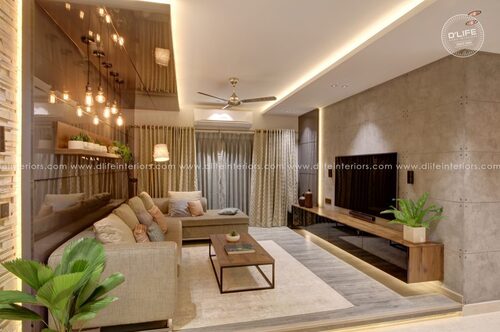
Finally, the color scheme of your interior plays a key role in how natural light is perceived. Brighter wall colors and furnishings can boost the effect of natural light, giving the illusion of a more radiant and airier space. Using reflective materials and finishes can intensify this effect, establishing a serene and uplifting environment that promotes well-being and comfort.